My first experience of giving birth in Chambéry.
The French approach to pregnancy and its management.
In today’s post, I would like to share my recent pregnancy and childbirth experience in Chambéry, France. I’ll skip unnecessary details, so this article is suitable for men.
One of the first thing that really caught my attention was how relaxed and natural the attitude towards pregnancy is in France — especially compared to the stories I’ve heard from friends and family back in Ukraine. Unlike in Ukraine, where the healthcare system often tries to “save” or “preserve” a pregnancy, here, it is not seen as something that must be controlled from day one.
A woman’s social life, as a rule, doesn’t change much. More often, until the end of the first trimester, doctors don’t take the pregnancy too seriously. I mean that everything is expected to go naturally, and unless the woman is in a truly critical condition, nobody will hospitalize her “for observation” at this stage. No special check-ups or hormone therapy are prescribed.

When I suspected I might be pregnant, I went to see my general practitioner. She, in turn, referred me to a laboratory, and once the official test confirmed it, she formally registered my pregnancy and started to monitor it. Monthly blood tests became part of the routine, checking various health indicators. Over the pregnancy, I had thee ultrasounds, all done at the gynecologist's office — each accompanied by a generous set of printed images of the baby-to-be. My GP followed the pregnancy up until the eighth month, after which I was transferred to the care of an obstetrician-gynecologist for the final two months.
Bureaucratic magic.
All my worries and anxieties — about not knowing whom to contact, what steps I needed to take, whether my questions might seem naïve, and how I would communicate with doctors during labor — turned out to be entirely unnecessary.
The therapist’s declaration of pregnancy is a kind of launch button for the bureaucratic machinery. Our insurance agents, social services, the departmental authorities, and other involved parties were all notified.
In reality, there was no need to ask extra questions or scramble for information — the system was already several steps ahead of me. I received a pregnancy dossier from the departmental office containing all the practical information, including legal aspects.
The insurance company sent a letter detailing the percentage of costs they would cover for tests and check-ups. Even a social worker contacted me directly to schedule a meeting and explain the various benefits and forms of assistance we might be entitled to — including information on childcare options, nursery services, and parent-child community centers.
Midwives and epidural anesthesia.
Following the second-trimester ultrasound, the gynecologist recommended I make an appointment with a midwife who runs prenatal preparation courses. She gave me a list of all the midwives in our department and even suggested the best ones to contact. Unsurprisingly, I was left with very few questions — and those I still had were answered during the sessions with the midwife.
Ah yes — one more thing. Between the seventh and ninth months, there is a mandatory consultation with an anesthesiologist, including an informational talk about what an epidural is, how it’s administered, what sensations to expect, and so on.
In France, epidural anesthesia is nearly standard practice: 80% of women use it, 1% consciously refuse it, and the rest… simply don’t have time for it. So, everyone listens to the lecture — regardless of whether they end up needing the epidural.
Childbirth preparation classes.
The prenatal preparation courses consist of a series of 7 sessions where I learned about the birth process: from the first contractions at home to the hospital arrival. I were given an overwiew of the entire process in the hospital, including the administrative procedures, as well as specialists who would accompany me during this time.
The course also included lessons on positions and breathing techniques to ease the pain during contractions. The last 10 minutes of each session were dedicated to breathing exercises or general relaxation. A particular focus was given to breastfeeding and a woman’s physical and emotional well-being in the weeks following birth — what to expect, what not to be afraid of, and why it’s important to seek help if needed. We were also given a list of specialists and services to contact.
On the last day, we came with our husbands — the midwife explained their role during labor and offered practical tips on how they can be most helpful.
The Day X.
As I later learned, the day before my due date, I was supposed to call the hospital and schedule an appointment with a midwife. So, even if nothing is happening, you still need to go to the hospital on that day.
I didn’t do this because I felt fine, and it was Saturday, so I didn’t feel like going. However, on Monday I went in to ask what the next steps were — and ended up staying there. The doctors decided to induce labor. I still don’t know if it was absolutely necessary, but even with the induction, the baby was in no rush to arrive. In the end, I had to use anesthesia — the contractions were almost constant, and it was exhausting.
Photos of the Maternity Room.
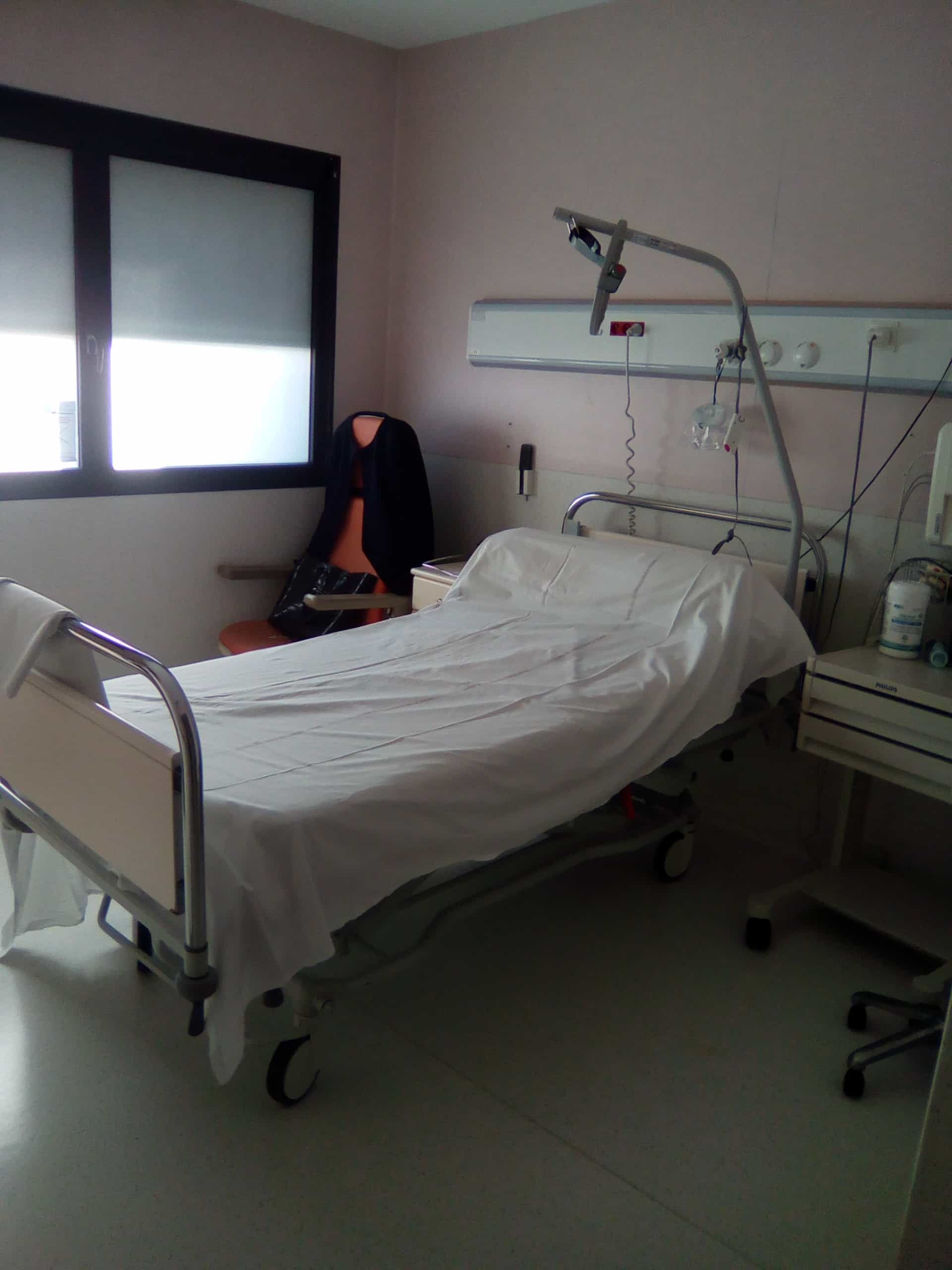
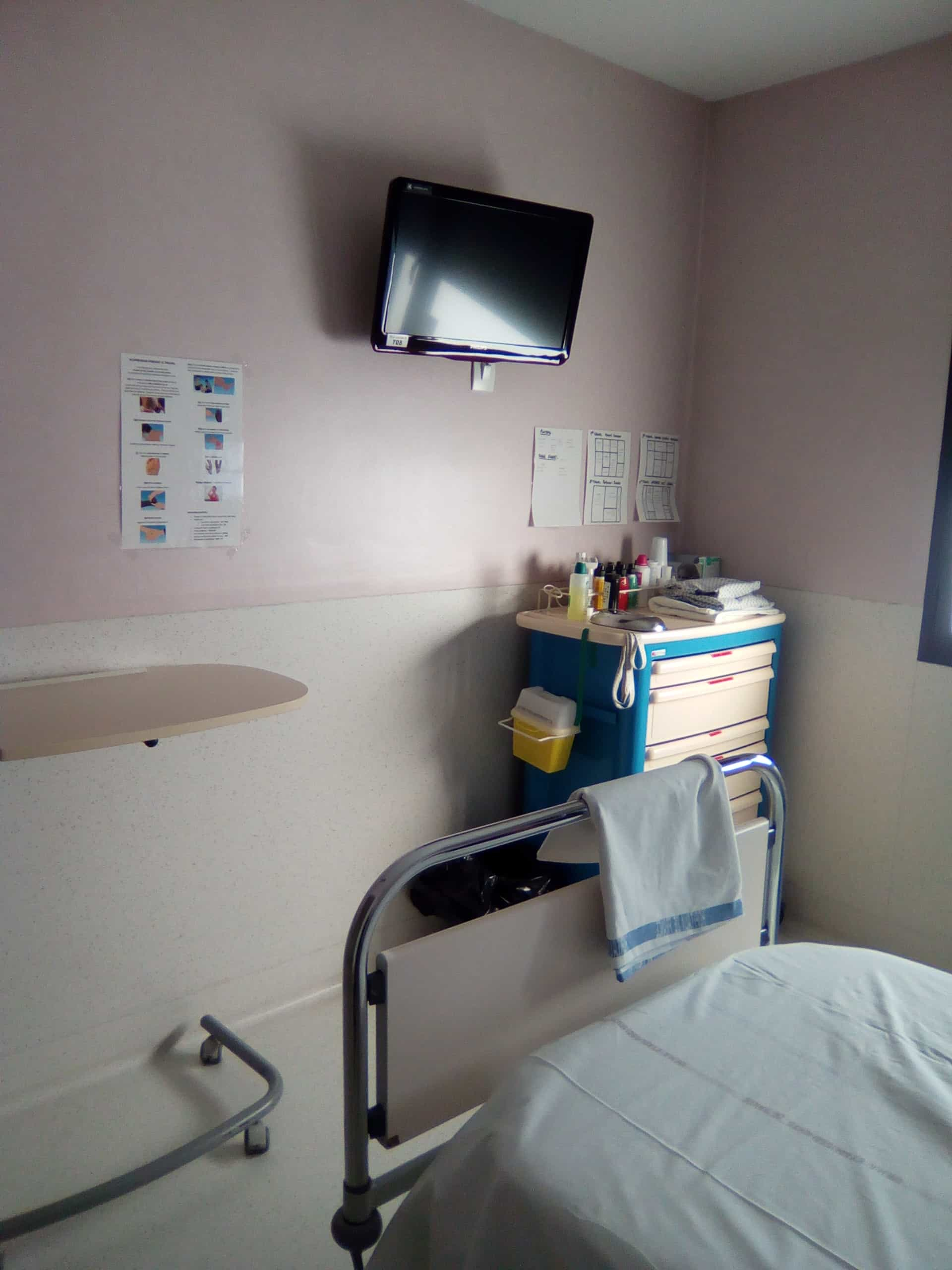
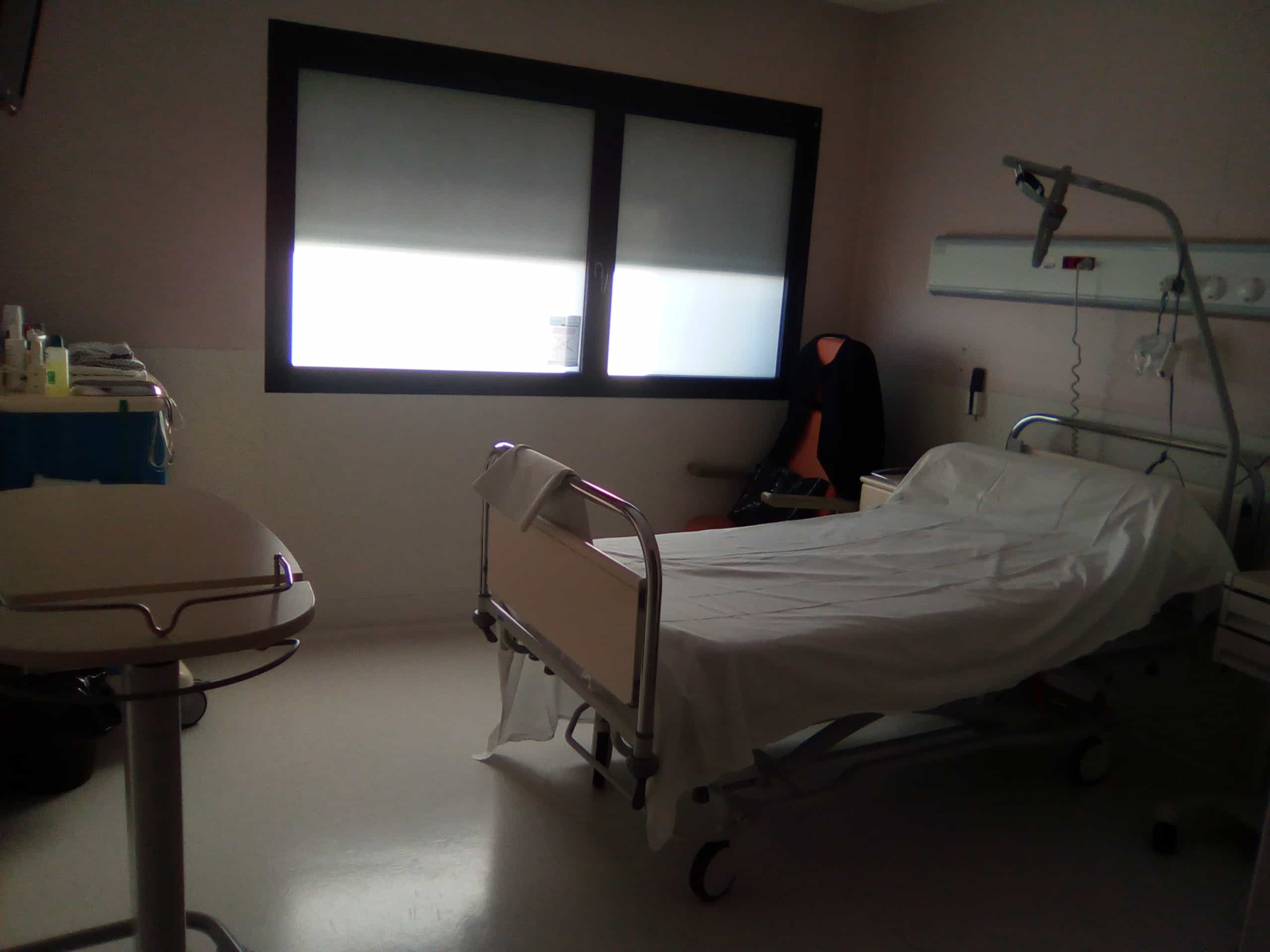
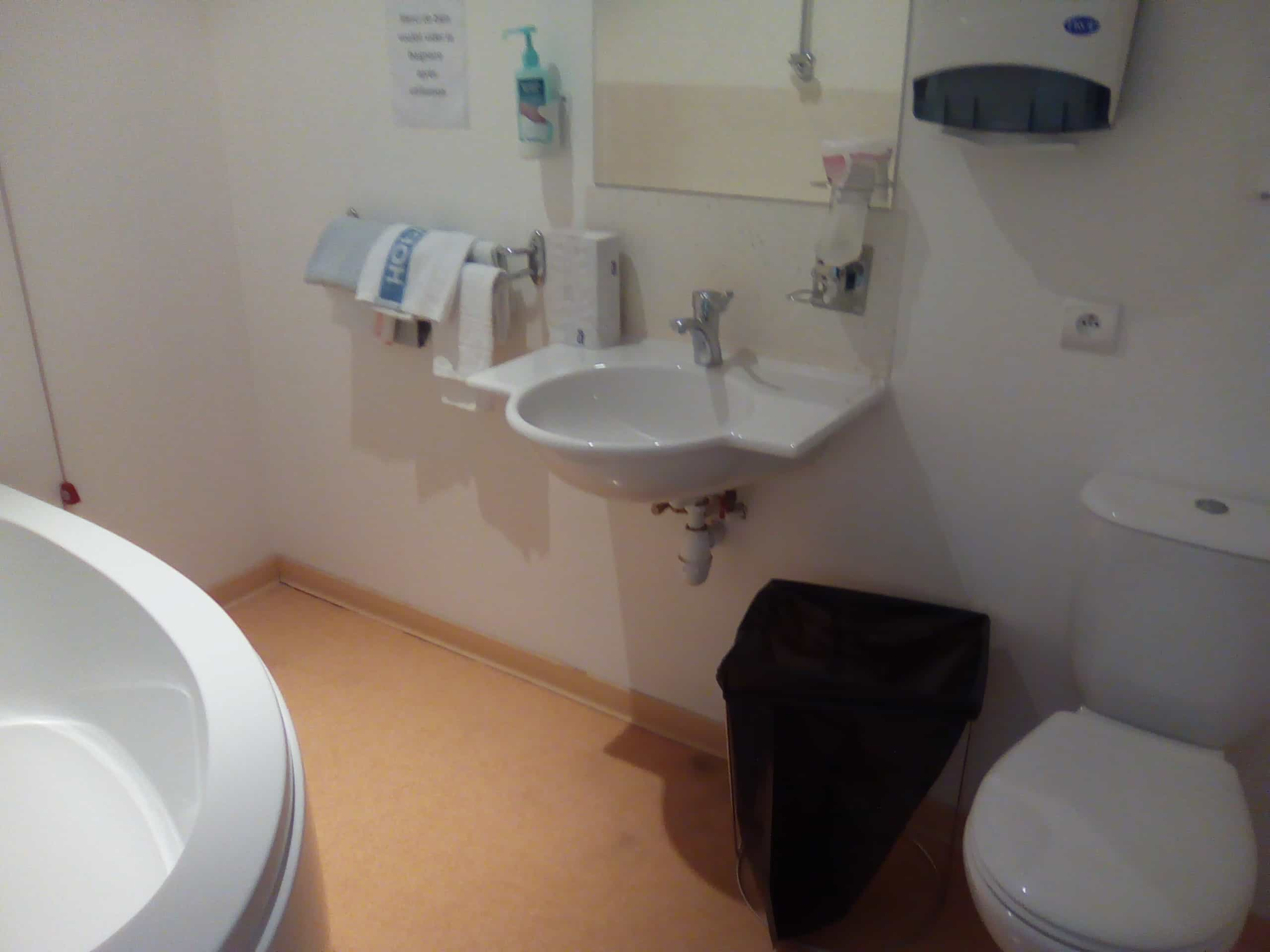
Despite the fact that my family being far away and my husband needing to work, there were five people with me in the maternity room: the midwife who was handling my delivery, another midwifes who cared for the baby, an anesthesiologist, and later, a gynecologist with an intern. That was my company. Thanks to the anesthesia, I was in a good mood, chatty, and didn’t feel bothered by anything. And, importantly, there was no language barrier.
After the birth, I spent another two hours in the delivery room. The baby was immediately placed on my chest without cutting the umbilical cord. After lying there for a bit, they took the baby for weighing and measuring, and only after that, my son and I were inseparable. During these first two hours, there was also the first breastfeeding. I didn’t need to position the baby—instincts guided him. After the “skin-to-skin” ritual, we were transferred to the post-delivery ward, to an individual room. Here’s what it looked like:
Photos of the Postpartum Room.
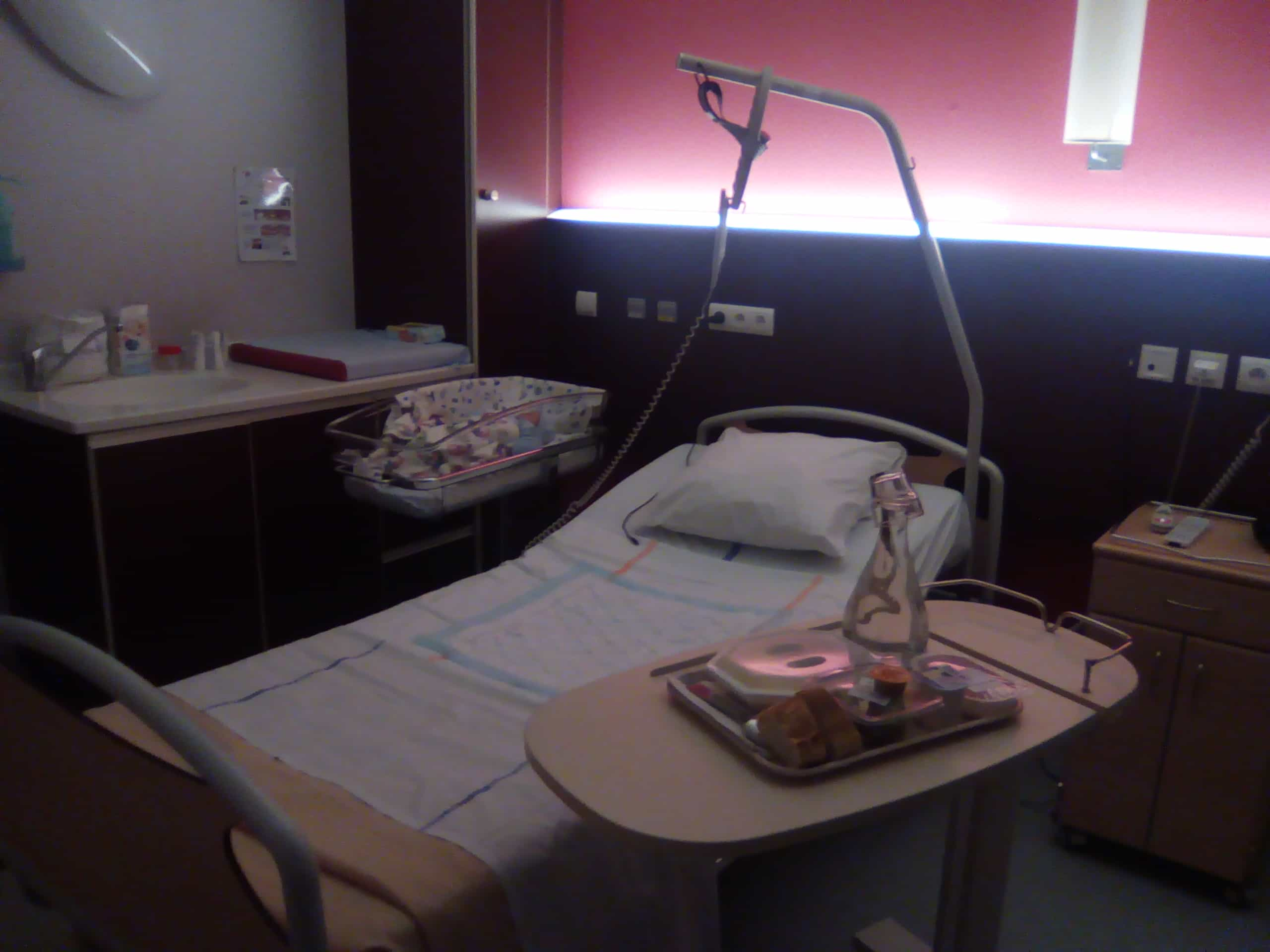
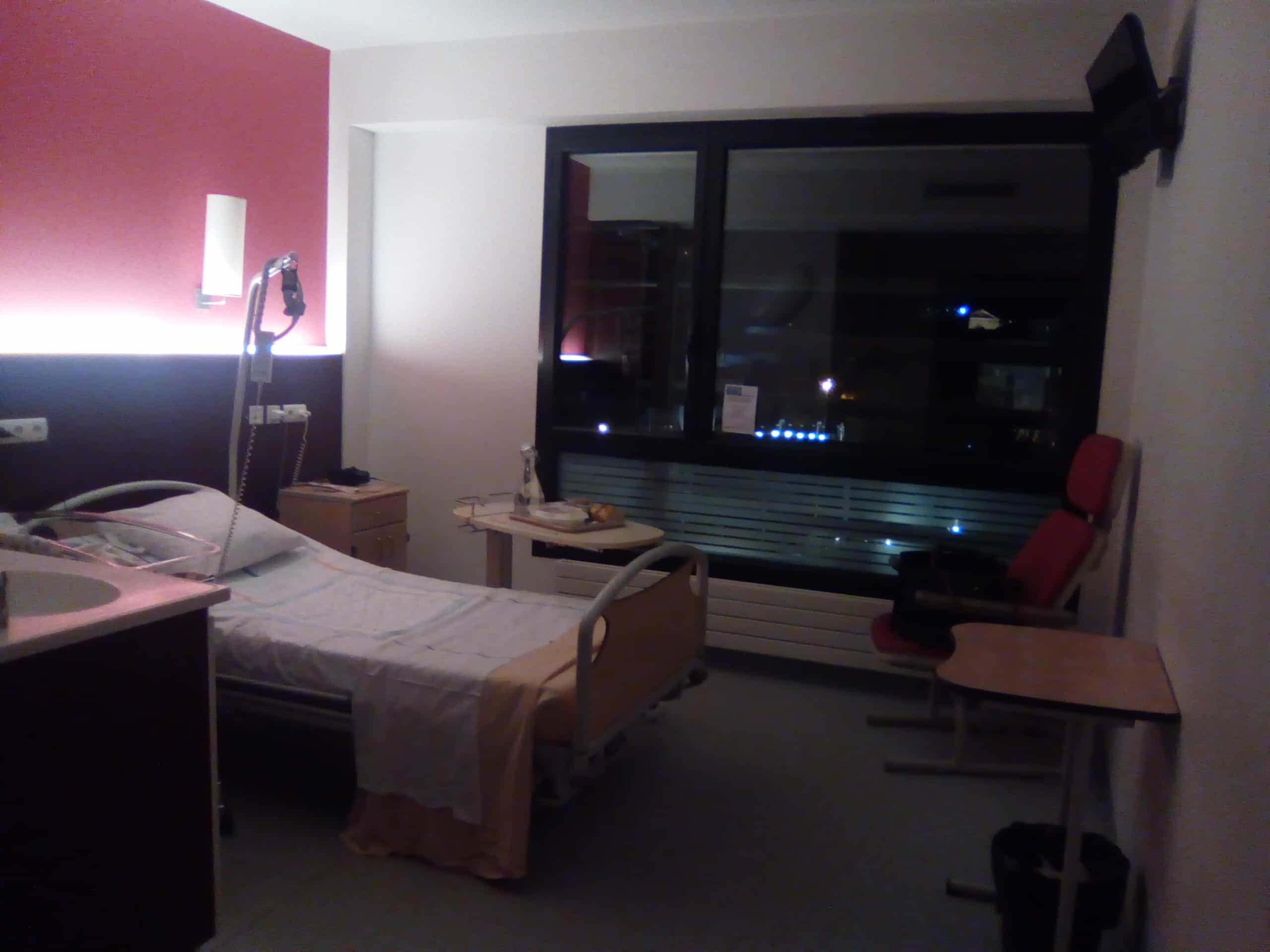
I spent three days there and was discharged on the fourth. During this time, the midwives came every morning to teach me how to bathe and care for the baby. There was also daily weighing, and several times a day, they monitored the breastfeeding process, since it wasn’t always easy or pleasant at first. Necessary tests, vaccinations, hearing screening, and a pediatrician’s visit were also conducted.
The meals were three times a day and varied. I never went hungry, but once the milk came in, I eagerly awaited the next meal and ate everything they gave me. Here are some of my lunches and dinners:





Incidentally, during my entire stay in the maternity ward, I never once left my room — simply because there was no need to. There wasn’t even a common lounge or social area; everything and everyone revolved around me and the baby… right there in the room. And if I needed anything, I didn’t even have to get out of bed: just press a button and wait for someone to either call through the intercom or come in.
It’s a pity that there’s no such button at home.
Another pleasant surprise

I’m not sure how common this is across France, but at the Chambéry hospital, out of all the items I had packed according to the standard maternity checklist, only the things meant for me and the baby actually came in handy. Everything else was provided by the hospital itself. On top of that, they even gifted me a pack of diapers and a few baby care products.
On the day of discharge, the midwife on duty created a medical booklet for the baby, handed me all the necessary prescriptions for supplies and medication, and made sure I wouldn’t be left alone with the baby at home. She also confirmed that a postnatal home visit by a nurse had already been scheduled.
The discharge process itself was quite simple: you pack your things and leave — just make sure to leave the door open behind you.
In Ukraine, however, being discharged from the maternity ward is practically a ritual. There’s often a specially decorated room, a professional photographer, and the new mother gets to keep a full set of photo and video memories. Family members arrive with flowers, balloons, and sometimes even live entertainment. It’s a whole production — and one that clearly signals both the family’s financial standing and the importance of the occasion.
Perhaps the French do something similar too, but in my case, everything was rather low-key.
Financial Details.
As for the financial aspect, all costs related to doctor visits, ultrasounds, and tests were covered by our insurance. What changed was the level of participation from the insurance companies. For example, from the starts of the pregnancy, the mandatory insurance covers 100% of the costs for the 7 mandatory check-ups, with everything else reimbursed at the usual rate: 70% by the mandatory insurance and 30% by supplementary insurance. Starting from the sixth month of pregnancy, the mandatory insurance covers all pregnancy-related expenses. The supplementary insurance only came into play during my stay in the hospital.